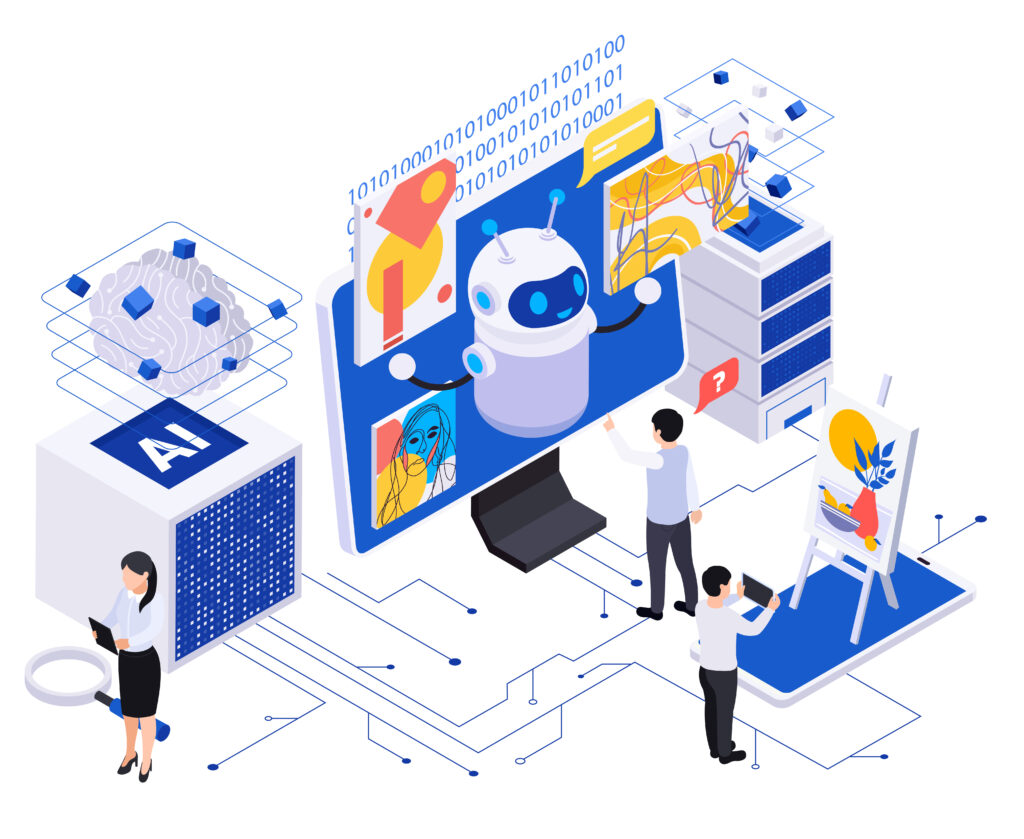
Artificial Intelligence is no longer limited to large tech companies with massive data science teams. Today, businesses of all sizes can adopt AI using accessible tools, automation platforms, and existing team members.
The biggest misconception is that companies must hire expensive data scientists before using AI. In reality, modern tools allow marketing teams, developers, analysts, and operations staff to implement AI-driven workflows without deep machine learning expertise.
This guide will show you how to build an AI-ready team without hiring data scientists, including the tools you need, practical steps to follow, and common mistakes to avoid.
By the end of this tutorial, you’ll understand how to:
- Train your existing team to work with AI tools
- Integrate AI into daily workflows
- Create an AI strategy without a dedicated data science department
- Scale AI adoption across departments
Why Businesses Should Build an AI-Ready Team
Companies that integrate AI early gain major advantages:
1. Increased Productivity
AI automates repetitive tasks such as data analysis, report generation, customer support responses, and content creation.
2. Faster Decision Making
AI tools can analyze large datasets quickly, helping teams make informed decisions faster.
3. Cost Savings
Hiring data scientists can cost $120k+ annually, while AI tools and training cost significantly less.
4. Competitive Advantage
Organizations that adopt AI workflows outperform competitors in efficiency, personalization, and scalability.
Tools Required to Build an AI-Ready Team
Before starting, make sure your team has access to the right tools.
AI Tools for Non-Technical Teams
- ChatGPT or similar AI assistants
- AI writing and research tools
- AI automation platforms
No-Code / Low-Code Automation
- Zapier
- Make (Integromat)
- Airtable
Data & Visualization Tools
- Google Sheets
- Notion
- Power BI or Tableau
Collaboration Platforms
- Slack
- Microsoft Teams
- Notion or Confluence for documentation
These tools allow teams to build AI-powered workflows without coding or machine learning expertise.
Prerequisites Before Building an AI-Ready Team
Before implementing AI, ensure your company has:
1. Clear Business Objectives
AI should solve specific problems like:
- Automating customer support
- Improving marketing personalization
- Analyzing sales data
2. Accessible Data
AI works best with organized data sources such as:
- CRM systems
- Website analytics
- Customer feedback
- Sales reports
3. AI Awareness Training
Your team should understand:
- What AI can do
- Its limitations
- How to use AI responsibly
Step-by-Step Guide: How to Build an AI-Ready Team Without Hiring Data Scientists
Step 1: Identify AI Opportunities in Your Business
Start by analyzing where AI could deliver the most value.
Common AI use cases include:
- Marketing content generation
- Customer service automation
- Sales forecasting
- Data analysis
- Workflow automation
Create a simple spreadsheet listing:
| Department | Task | AI Opportunity |
|---|---|---|
| Marketing | Blog writing | AI content tools |
| Sales | Lead scoring | AI analytics |
| Support | FAQs | AI chatbot |
Step 2: Upskill Your Existing Team
Instead of hiring new specialists, train your existing team to use AI tools.
Focus on AI literacy rather than deep technical knowledge.
Training topics should include:
- Prompt engineering
- AI workflow automation
- Data interpretation
- AI ethics and security
Short workshops or online courses can make employees comfortable with AI systems.
Step 3: Assign AI Champions in Each Department
Rather than a centralized data science team, appoint AI champions across departments.
Example structure:
| Department | AI Champion Role |
|---|---|
| Marketing | AI content automation |
| Sales | AI lead analysis |
| Customer Support | AI chatbot workflows |
| Operations | AI reporting |
These champions help identify automation opportunities and train teammates.
Step 4: Start With Simple AI Workflows
Avoid complex AI implementations initially.
Begin with simple automation such as:
Content Generation
AI can assist with:
- Blog writing
- Email campaigns
- Social media posts
Data Summarization
AI can analyze reports and generate summaries.
Customer Support Automation
AI chatbots can answer common questions.
Step 5: Use No-Code AI Automation
No-code tools allow teams to build AI systems without programming.
Example workflow:
New lead → CRM → AI analysis → Email response
Example automation stack:
- Lead enters CRM
- Automation triggers AI analysis
- AI scores lead quality
- System sends personalized email
Step 6: Create an AI Knowledge Hub
Document all AI workflows and processes.
Your AI knowledge hub should include:
- Prompt templates
- AI workflows
- Best practices
- Troubleshooting guides
Tools like Notion or Confluence work well for this.
Step 7: Measure AI Impact
Track how AI improves productivity and performance.
Important metrics include:
- Time saved per task
- Reduction in manual work
- Marketing campaign performance
- Customer support resolution time
Create monthly AI performance reports to measure success.
Common Challenges When Building an AI-Ready Team
Even though AI tools are easier than ever, teams still face challenges.
1. AI Resistance from Employees
Some team members may fear AI replacing their jobs.
Solution:
Explain that AI enhances productivity rather than replacing employees.
2. Poor Data Quality
AI tools rely heavily on good data.
Solution:
Clean and structure your datasets before implementing AI workflows.
3. Over-Automation
Not every process should be automated.
Solution:
Start small and automate only repetitive tasks.
4. Lack of Clear AI Strategy
Random AI experiments without strategy often fail.
Solution:
Align AI projects with measurable business goals.
Best Practices for Building an AI-Ready Workforce
Follow these best practices to scale AI adoption effectively.
1. Encourage AI Experimentation
Allow teams to test AI tools and share results.
2. Focus on AI-Augmented Work
AI should assist employees rather than replace them.
3. Create AI Governance Policies
Establish guidelines for:
- Data privacy
- Ethical AI usage
- Security compliance
4. Build Cross-Team Collaboration
AI initiatives work best when marketing, sales, and engineering collaborate.
Real Example: AI Team Without Data Scientists
Many startups successfully run AI-powered workflows without dedicated data scientists.
Example structure:
| Role | Responsibility |
|---|---|
| AI Operations Lead | Manages AI strategy |
| Marketing Team | Uses AI for content |
| Sales Team | Uses AI for lead analysis |
| Developers | Integrate AI APIs |
This distributed approach allows companies to scale AI adoption quickly and affordably.
FAQs: How to Build an AI-Ready Team Without Hiring Data Scientists
1. Can a company use AI without data scientists?
Yes. Modern AI tools and automation platforms allow non-technical teams to implement AI workflows without deep machine learning expertise.
2. What skills are required for an AI-ready team?
Key skills include:
Data literacy
Prompt engineering
AI workflow automation
Critical thinking
Basic analytics
3. What are the best AI tools for non-technical teams?
Popular tools include:
AI assistants
Automation platforms
AI analytics tools
AI content generators
4. How long does it take to build an AI-ready team?
Most organizations can build foundational AI capabilities within 3–6 months through training and gradual AI implementation.
5. Is AI adoption expensive for small businesses?
No. Many AI tools offer affordable plans or free tiers, making AI adoption accessible even for small teams.
Conclusion: Start Building Your AI-Ready Team Today
Artificial intelligence is transforming how businesses operate, but companies no longer need expensive data science teams to benefit from AI.
By training your existing workforce, using accessible tools, and starting with simple automation workflows, you can successfully build an AI-ready team without hiring data scientists.
The key steps include:
- Identifying AI opportunities
- Upskilling your current team
- Implementing simple AI workflows
- Using no-code automation tools
- Measuring AI performance
Organizations that adopt AI early will gain significant advantages in productivity, decision-making, and scalability.
The future of work isn’t about replacing humans with AI—it’s about empowering teams to work smarter with AI.
✅ Next Steps
- Identify one business process that could benefit from AI
- Train your team on basic AI tools
- Build your first AI workflow this week
Small AI improvements today can lead to massive productivity gains tomorrow.